Every access control project hits the same question early on: what will people use to open the door? The answer shapes everything that follows — the hardware you buy, the enrollment process, the daily experience for users, and the long-term maintenance budget. There is no single right answer, but there is usually a right answer for your building.
Fingerprint readers
Fingerprint is the most familiar biometric. People understand it, and the enrollment is fast — place a finger on the sensor three times and you are done. For staff-only doors where the same 20 or 30 people enter every day, fingerprint works well. It is hard to share (unlike a card that gets passed around), and there is no credential to lose.
The downsides are practical. Wet or dusty hands cause misreads, which matters in kitchens, construction sites, and any outdoor-facing entry point in Ghana's humid climate. Throughput is slower too — each person stops, places a finger, waits for the match. In a busy lobby during shift change, that queue adds up quickly.
Facial recognition
Face readers have improved dramatically. Modern units work in under a second, handle glasses and face masks, and operate in low light. They are genuinely hands-free, which was a major selling point during and after the pandemic.
But they are more expensive per door, and they require more processing power. The enrollment is also more involved — the camera needs multiple angles, and the system needs good lighting during setup. For high-security areas with moderate traffic, facial recognition is excellent. For every door in a 300-room hotel, it is overkill and the cost adds up fast.
NFC and RFID cards
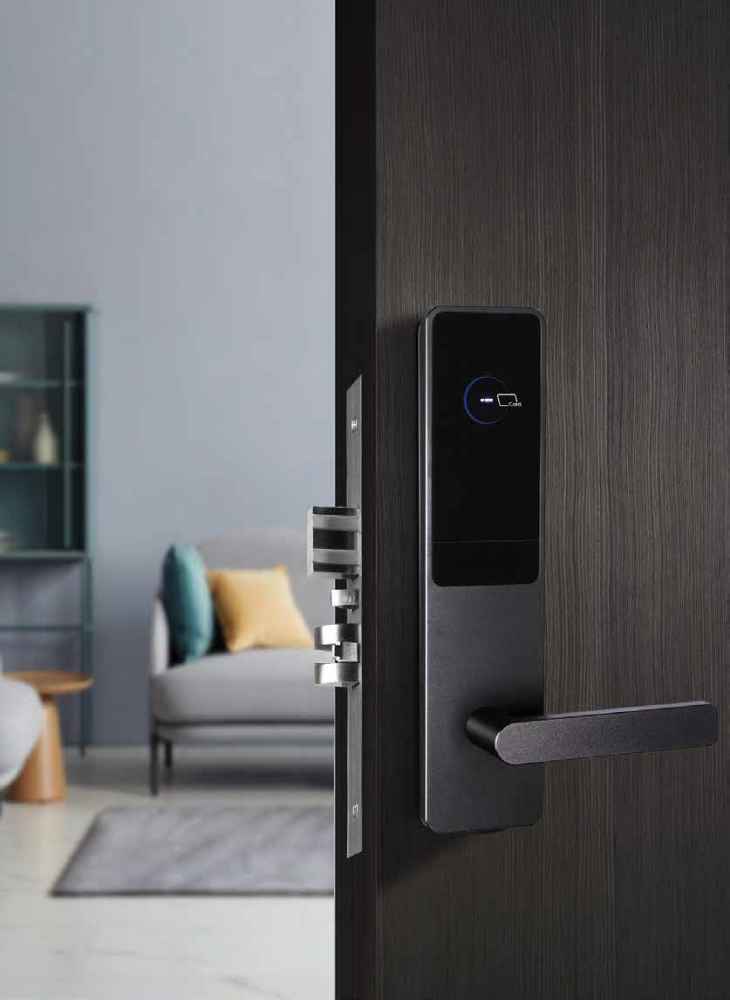
Keycards have been the default in hospitality and commercial buildings for decades, and for good reason. They are cheap to produce, fast to issue, and universally understood. A new hire or hotel guest gets a card at reception and starts using it immediately — no training, no enrollment beyond a quick tap on the admin software.
The weakness is obvious: cards get lost, forgotten in pockets, and occasionally shared. For most commercial environments, this is manageable with audit trails and easy deactivation. For areas that need guaranteed identity verification — server rooms, vaults, pharmacy storage — a card alone is not enough.
The hybrid approach
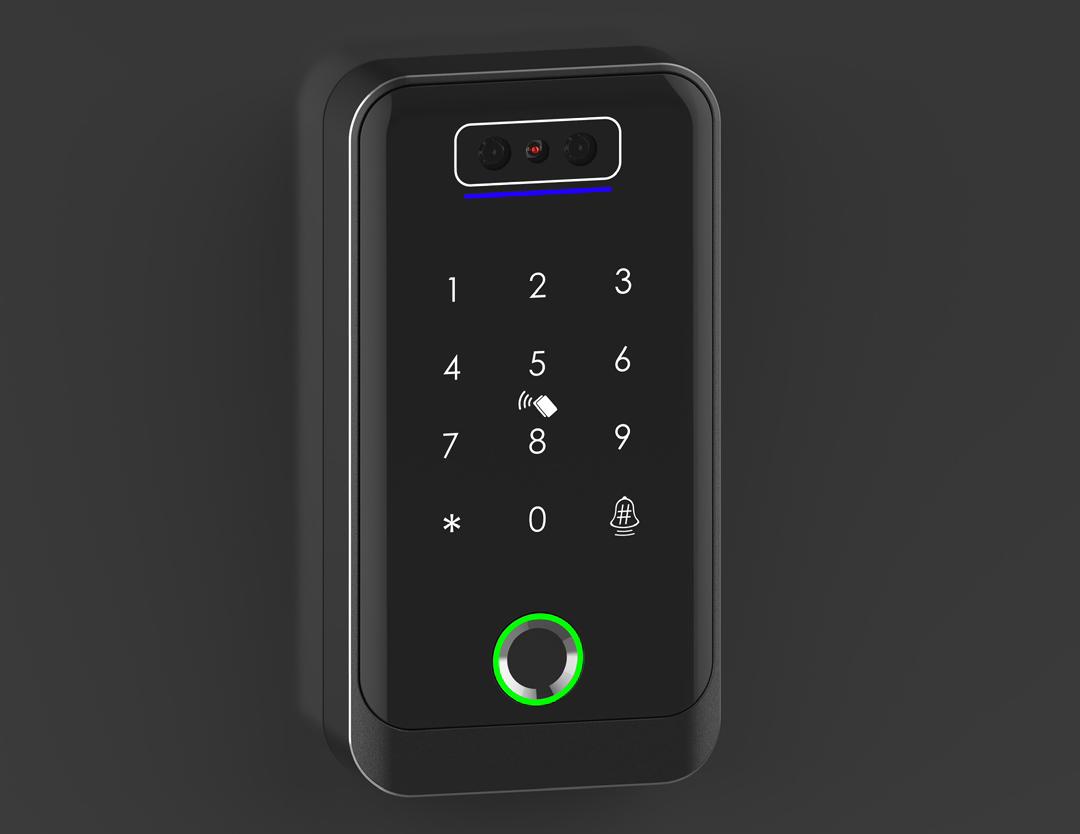
Most projects we handle at Keyless Group end up using a combination. The main entrance and common areas get NFC readers for fast, frictionless flow. Restricted areas add biometric verification on top — card plus fingerprint, or card plus face. This gives you speed where you need it and certainty where it matters.
The key is planning this upfront. Retrofitting biometric readers onto doors that were only wired for card readers means pulling new cables and possibly replacing the controller. If you know certain zones will need dual authentication down the line, spec the wiring and controller capacity now — even if you install the simpler reader first.
Not sure which combination fits your project? Talk to our design team and we will map it out with you.